Nestled along the windswept Normandy coastline, Juno Beach is more than just a picturesque stretch of sand—it’s a place where history echoes with the bravery of thousands. This iconic location played a vital role in one of the most significant events of the 20th century: the D-Day landings of June 6, 1944. Visiting Juno Beach is a deeply moving experience, a journey through time that pays tribute to the courage, sacrifice, and enduring spirit of those who helped shape the future of Europe.
The History: Canada’s Moment of Valor

Juno Beach was the landing site for the Canadian forces during Operation Overlord, the Allied invasion of Nazi-occupied France during World War II. Stretching from Graye-sur-Mer to Saint-Aubin-sur-Mer, this 10-kilometre section of coastline was one of five designated landing beaches on D-Day.
On the morning of June 6, 1944, nearly 14,000 Canadian troops stormed ashore here, supported by the British Royal Navy and Royal Canadian Navy. The soldiers of the 3rd Canadian Infantry Division and the 2nd Canadian Armoured Brigade faced formidable German defenses, including mines, machine-gun nests, and anti-tank obstacles. Despite heavy resistance and significant casualties, the Canadians secured Juno Beach by the end of the day, pushing farther inland than any other Allied force.
Their bravery and tenacity turned the tide of history. The land they seized became the foundation for the liberation of France and the eventual defeat of Nazi Germany.
The Juno Beach Centre: Honouring Sacrifice

To truly understand the impact of Juno Beach, a visit to the Juno Beach Centre in Courseulles-sur-Mer is essential. This modern museum is dedicated to the Canadian experience in World War II, and it tells the story with depth, empathy, and pride.
Inside, you’ll find exhibits that highlight Canada’s military and civilian contributions to the war effort, from enlistment and training to battles fought and lives changed. Personal stories, artifacts, photographs, and films bring the era to life in vivid detail. The Centre also places Canada’s role in the context of its nation-building journey, showing how the events of the war shaped Canadian identity.
Outside, guided tours lead you through preserved German bunkers and remnants of the Atlantic Wall. As you stand on the sand, facing the same waves that met those brave soldiers in 1944, the emotional weight of history becomes tangible.
Walking in Their Footsteps
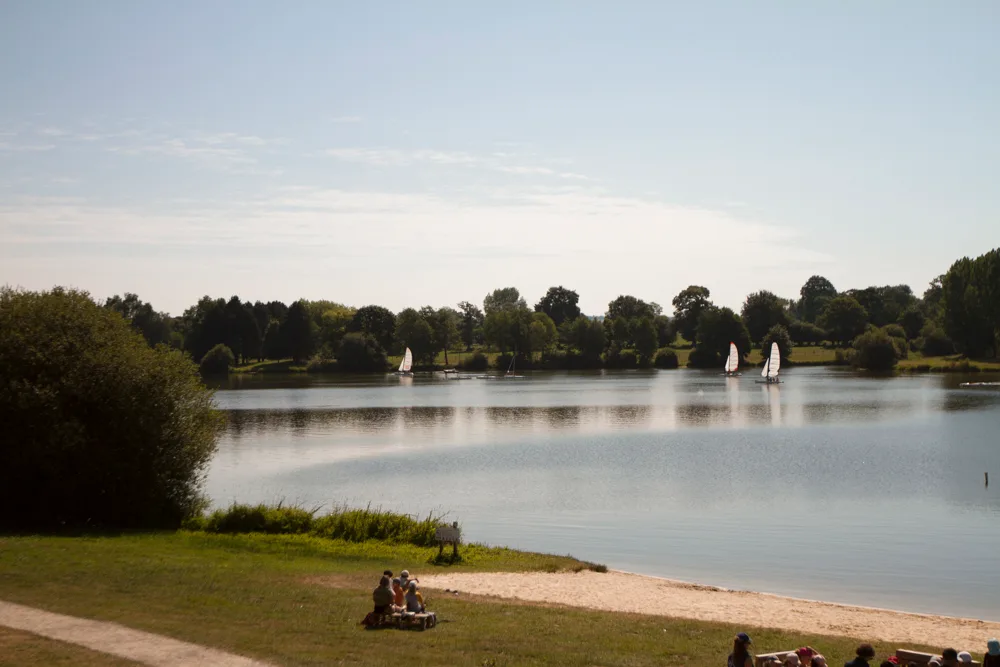
Juno Beach today is a peaceful place, where families picnic, children play, and the tides wash gently over the sand. Yet every grain seems to carry the imprint of the past. Walking along the beach, one cannot help but reflect on the contrast between the tranquil present and the storm of history that once surged here.
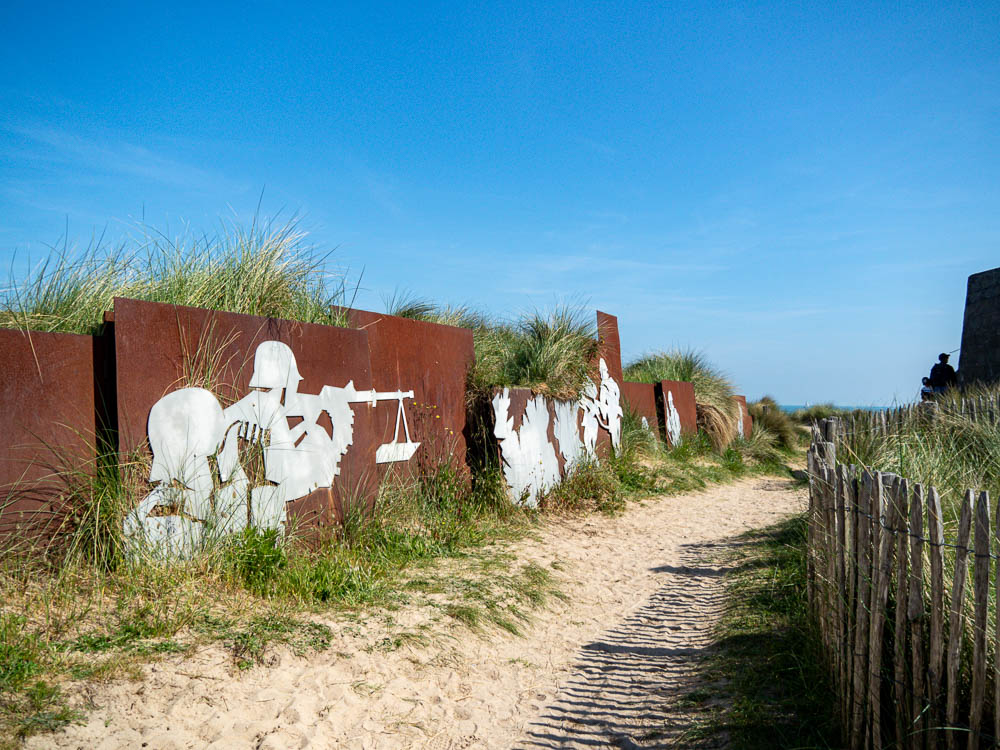
Several memorials line the coast, including the commemorative “Canada House,” one of the first buildings liberated by Canadian troops, and various plaques and statues that honour the fallen. Each marker invites visitors to pause, remember, and give thanks.
Why Juno Beach Still Matters

Juno Beach is not just a historical site—it is a place of remembrance, reflection, and education. It reminds us of the high cost of freedom and the importance of international cooperation in the face of tyranny. For Canadians, it is a proud symbol of national courage and commitment. For all who visit, it is a testament to the human spirit’s capacity to endure and overcome.
Whether you’re a history enthusiast, a traveler seeking meaningful experiences, or someone looking to pay respects to the past, Juno Beach offers an unforgettable journey. It is a living legacy—where the past continues to inform the present, and where the memory of heroism is preserved not in silence, but in the wind that whispers across the sand.
Practical Information for Visitors:
- Location: Courseulles-sur-Mer, Normandy, France
- Juno Beach Centre: Open year-round (closed in January), with seasonal hours. Guided beach tours are available.
- Admission: Tickets can be purchased onsite or online via the Juno Beach Centre website.
- Best Time to Visit: Spring through early autumn, with special commemorative events around June 6th each year.
Let the stories of Juno Beach inspire you—walk where history was made, honour those who gave everything, and carry their legacy forward.
If you’re exploring Normandy, make Juno Beach a part of your journey. It’s not just a destination—it’s a powerful encounter with the past that will stay with you forever.
Here are some authoritative and reliable weblinks you can use in your Juno Beach :
Official Historical & Memorial Sites
- Juno Beach Centre – The official museum and memorial dedicated to Canada’s D-Day contributions. (Perfect for visitor info, educational resources, and veteran stories.)
- Commonwealth War Graves Commission – Bény-sur-Mer Cemetery – Details on the Canadian war cemetery near Juno Beach. (Helps readers pay respects or research fallen soldiers.)
- D-Day Overlord (Juno Beach Section) – Detailed maps, timelines, and military analysis. (Great for tactical insights and visuals.)
Government & Educational Resources
- Veterans Affairs Canada – Juno Beach – Official Canadian military history with firsthand accounts. (Adds government-backed credibility.)
- The Canadian Encyclopedia – Juno Beach – Well-researched overview with citations. (Ideal for historical context.)
- Normandy Tourism – Juno Beach – Visitor tips and local perspectives. (Useful for travel-planning readers.)
Multimedia & Primary Sources
- Library and Archives Canada – D-Day Photos – Rare photographs and documents. (Powerful visuals for your blog.)
- BBC D-Day Archive – Interviews and BBC wartime coverage. (Adds a British/Allied perspective.)