On the windswept coast of Normandy, where the English Channel kisses the French shoreline, lies a stretch of sand that is forever etched into the memory of history—Omaha Beach. This serene and striking coastline, now a place of quiet reflection, once roared with the chaos of war. To walk here today is to step through the pages of time and feel the weight of bravery, sacrifice, and the dawn of freedom.
The Heart of D-Day
On June 6, 1944, the Allied forces launched the largest amphibious invasion the world has ever seen. Known as D-Day, this monumental operation aimed to liberate Nazi-occupied France and eventually all of Western Europe. Of the five beachheads designated for the landings—Utah, Omaha, Gold, Juno, and Sword—none would prove as deadly or as decisive as Omaha.
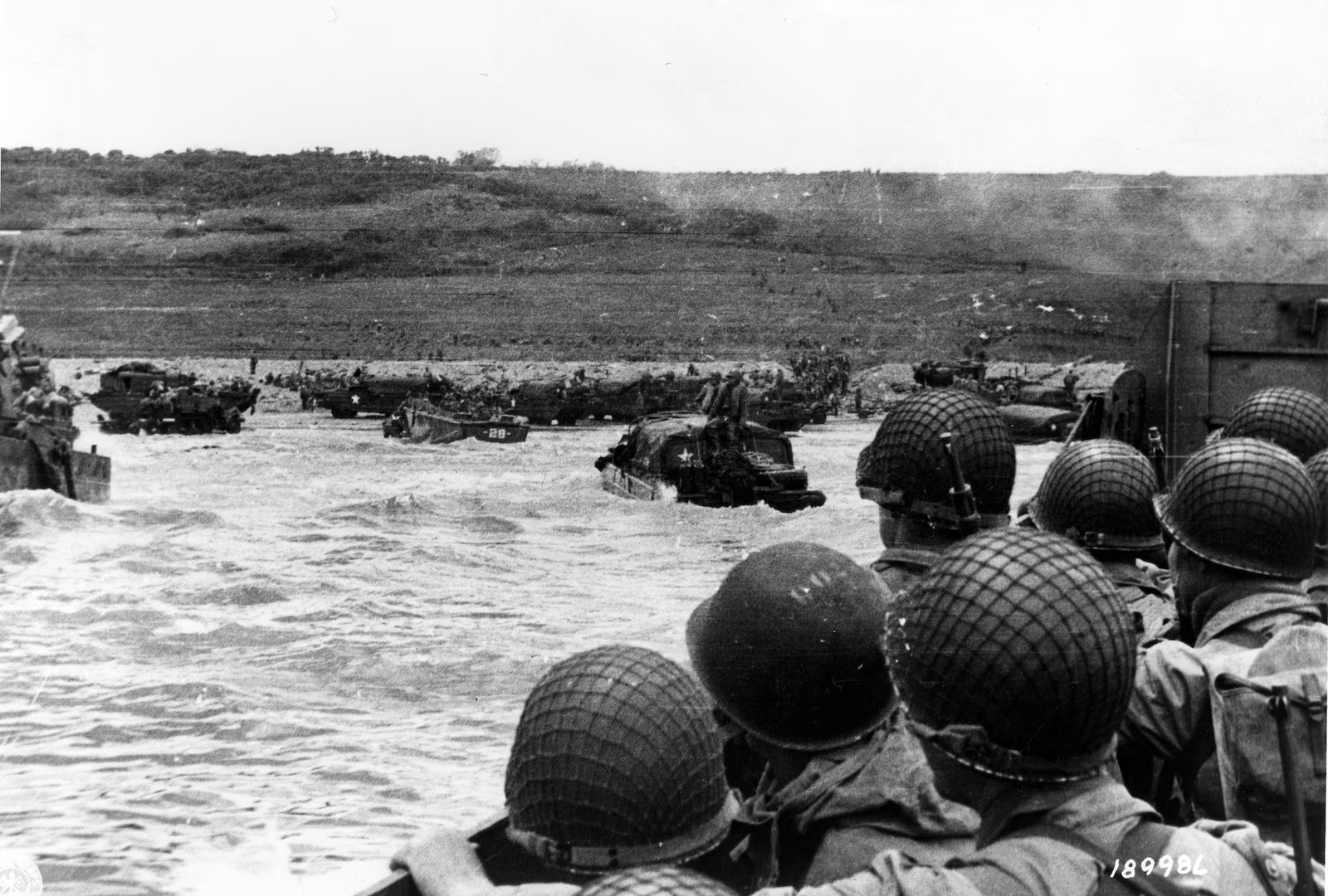
Why Normandy Still Matters: Seventy-Five Years On, Operation Overlord Inspires, Instructs, and …
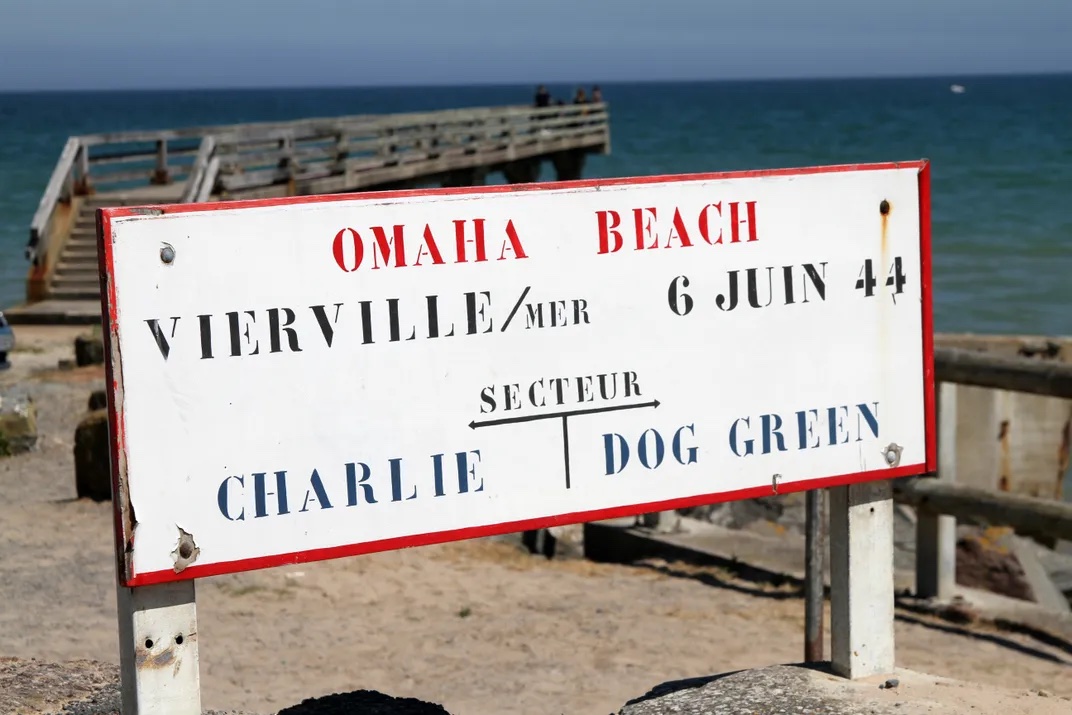
Assigned to the American 1st and 29th Infantry Divisions, Omaha Beach stretched approximately 8 kilometers between the villages of Vierville-sur-Mer and Colleville-sur-Mer. Facing formidable German fortifications, steep bluffs, and relentless machine gun fire, the landing troops encountered fierce resistance. Casualties were devastating. It was a crucible of heroism under fire.
Despite the chaos, the courage of the soldiers who stormed Omaha Beach prevailed. By the end of the day, a tenuous foothold had been established, paving the way for further Allied advances inland. Omaha had held.
A Place of Remembrance

Today, Omaha Beach is a place of peace and solemnity. Visitors come not only to learn about history but to pay their respects to the thousands who fought and fell there. The beach itself remains largely undeveloped, preserving the natural beauty and gravity of the site.
Just above the beach lies the Normandy American Cemetery and Memorial in Colleville-sur-Mer, one of the most powerful sites in all of France. With over 9,300 white marble crosses and Stars of David, the cemetery honors the American soldiers who died in Europe during World War II. From its bluff-top perch, you can gaze over the beach and imagine the daunting task that lay before the young men who landed here.
Discovering Omaha Today
While history is the soul of Omaha Beach, the surrounding area offers numerous ways to engage with the past and reflect on its lessons:
-

WW2 map of Omaha Beach during D-Day The Omaha Beach Memorial Museum (Musée Mémorial d’Omaha Beach): Located in Saint-Laurent-sur-Mer, this museum tells the story of D-Day through artifacts, photographs, and personal accounts. It’s an essential stop for understanding the human dimension of the battle.
-
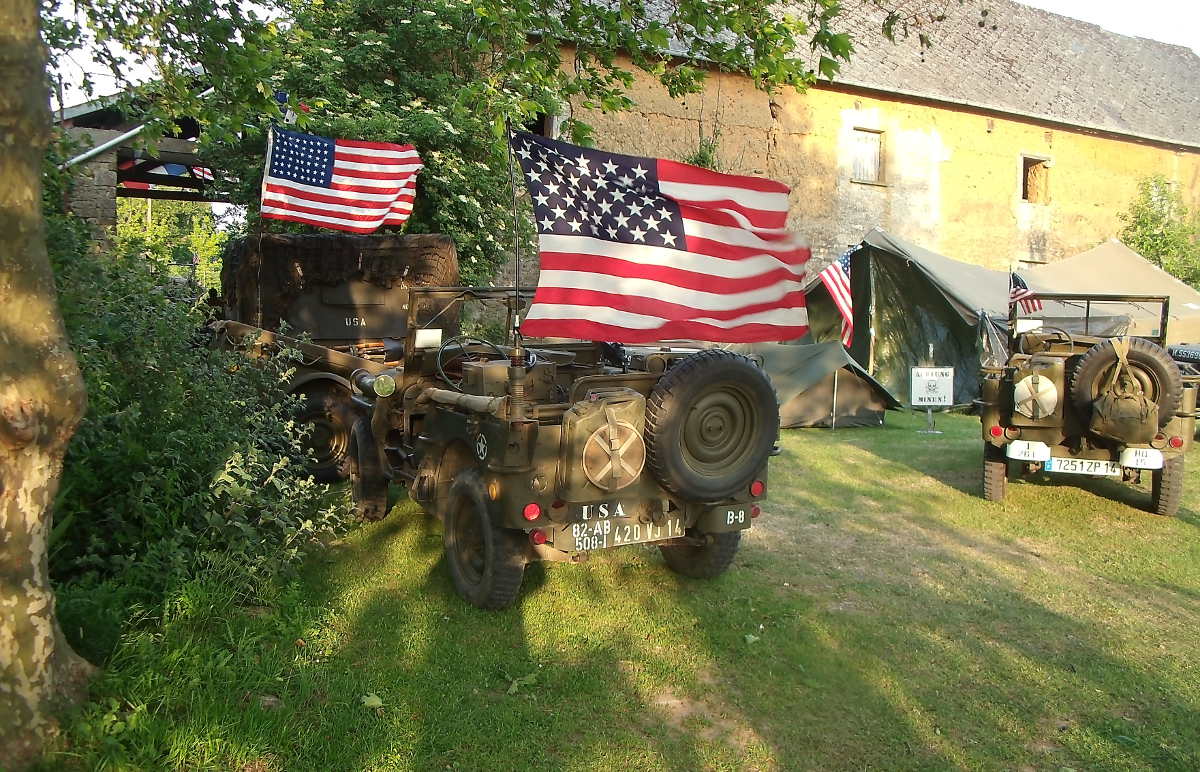
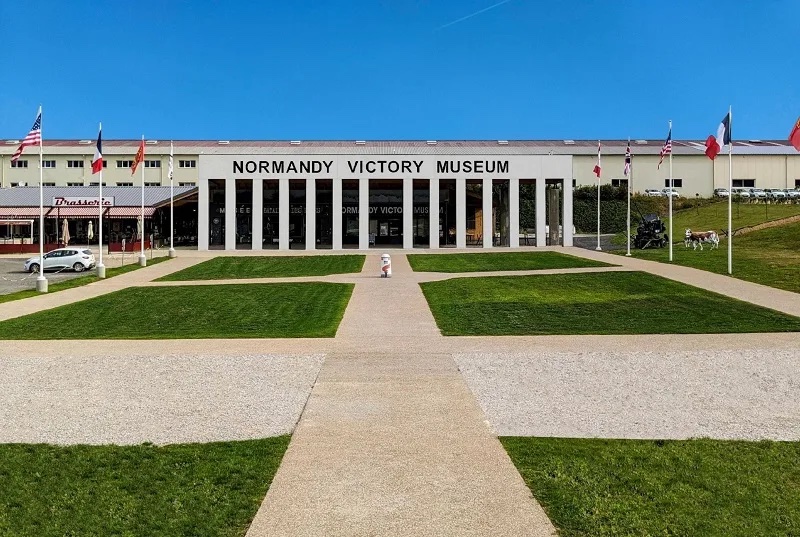
The Overlord Museum: Near the American Cemetery, this expansive museum presents a chronological account of the D-Day landings through to the liberation of Paris, with a remarkable collection of vehicles, uniforms, and dioramas.
-
German bunkers and remnants: Along the bluffs and hedgerows, you’ll find remnants of the German Atlantic Wall—pillboxes, gun emplacements, and observation posts that serve as stark reminders of the beach’s past.
-
Guided Tours: For those wanting deeper insight, expert-led tours provide historical context and moving stories that bring the landscape to life.

Why Omaha Beach Still Matters
Omaha Beach is more than a battlefield—it is a symbol of resilience, international cooperation, and the enduring fight for freedom. The sacrifices made here reverberate through generations and across continents. To visit Omaha Beach is to witness not just where history was made, but how ordinary people can do extraordinary things.
Whether you’re a student of history, a traveler seeking meaning, or someone drawn to the beauty of Normandy, Omaha Beach offers an unforgettable experience. It’s a place that speaks softly but profoundly—a beach that changed the world.
“If you ever doubt that one person can make a difference, walk the sands of Omaha Beach.”
Let the winds whisper the stories of those who came ashore. Let the silence remind you of their sacrifice. And let your visit to Omaha Beach leave you inspired by the strength of the human spirit.
Here are some authoritative and informative websites you can reference or link to in your blog post about Omaha Beach:
Normandie Tourisme – Omaha Beach Overview
- This official tourism site provides historical context, visitor information, and insights into the significance of Omaha Beach during the D-Day landings.
- normandie-tourisme.fr – Omaha Beach
Naval History and Heritage Command – D-Day: Omaha Beach
- An extensive collection of historical photographs and narratives detailing the events at Omaha Beach on June 6, 1944.
- history.navy.mil – D-Day: Omaha Beach
Imperial War Museums – D-Day Beaches
- This resource offers comprehensive information about the D-Day landings, including the strategic importance of Omaha Beach and personal stories from those who were there.
- iwm.org.uk – D-Day Beaches
D-Day Overlord – Omaha Beach History
- A detailed account of the military operations, challenges faced by the Allied forces, and the aftermath of the landings at Omaha Beach.
- dday-overlord.com – Omaha Beach History
Wikipedia – Omaha Beach
- A comprehensive overview of Omaha Beach, covering its role in World War II, the planning and execution of the landings, and its legacy.
- en.wikipedia.org – Omaha Beach
Overlord Museum Official Website
- This is the primary source for detailed information about the museum’s exhibits, visiting hours, ticketing, and special events.
- www.overlordmuseum.com
Normandie Tourisme – Overlord Museum Overview
- The official Normandy tourism site offers insights into the museum’s significance, visitor information, and its role in commemorating D-Day.
- en.normandie-tourisme.fr – Overlord Museum
TripAdvisor – Visitor Reviews and Photos
- For firsthand accounts, reviews, and traveler photos, TripAdvisor offers a wealth of information from past visitors.
- TripAdvisor – Overlord Museum