Nestled along the dramatic cliffs of Normandy’s Alabaster Coast, the port town of Fécamp is a treasure trove of history, culture, and seaside charm. Often overlooked in favor of nearby Étretat or Honfleur, Fécamp offers a more serene and authentic experience for travelers curious to uncover Normandy’s past. From its ancient Benedictine roots to its time as a bustling fishing port and a center of spiritual life, the history of Fécamp is both rich and inspirational. 🌊✨
⛪ An Abbey at the Heart of It All

At the center of Fécamp’s story is the Abbaye de la Sainte-Trinité (Holy Trinity Abbey), founded in the 7th century. This impressive Romanesque-Gothic structure became one of the most important religious sites in medieval Normandy. The abbey was not only a place of worship but also a political and economic power center, attracting pilgrims and nobles alike.
Legend has it that the abbey is the resting place of the Holy Blood relic, said to be drops of Christ’s blood collected and brought to Fécamp in the Middle Ages. This relic made Fécamp an important pilgrimage destination, and it still draws spiritual seekers to this day. ✝️📜
🛡️ Viking Origins & Norman Dukes
Fécamp’s recorded history dates back even further, to when it was part of the Duchy of Normandy. In fact, it was a favorite residence of the early Norman dukes. Richard I and Richard II, ancestors of William the Conqueror, lived here. Richard II, known as “the Good,” made Fécamp the capital of the duchy for a time. He is also buried in the abbey, a testament to the town’s historical importance.
There are also whispers of Viking settlements here, as the Normans themselves descended from Norse raiders who were granted land in what would become Normandy. ⚔️🛶
⚓ Life by the Sea: A Fishermen’s Town

Fécamp evolved over centuries into a thriving fishing port. For generations, it was known for its hardy fishermen who braved the treacherous North Atlantic to bring back cod from as far away as Newfoundland. The Musée des Pêcheries (Fisheries Museum) offers an excellent glimpse into this seafaring life, with exhibits on everything from fishing gear to the daily lives of the families who lived off the sea.
Strolling the harbor today, you can still feel the echo of this maritime legacy, from the fishing boats to the salty breeze drifting in from the Channel. 🎣🚢
🧡 Benedictine Brilliance: Art, Architecture & Elixir
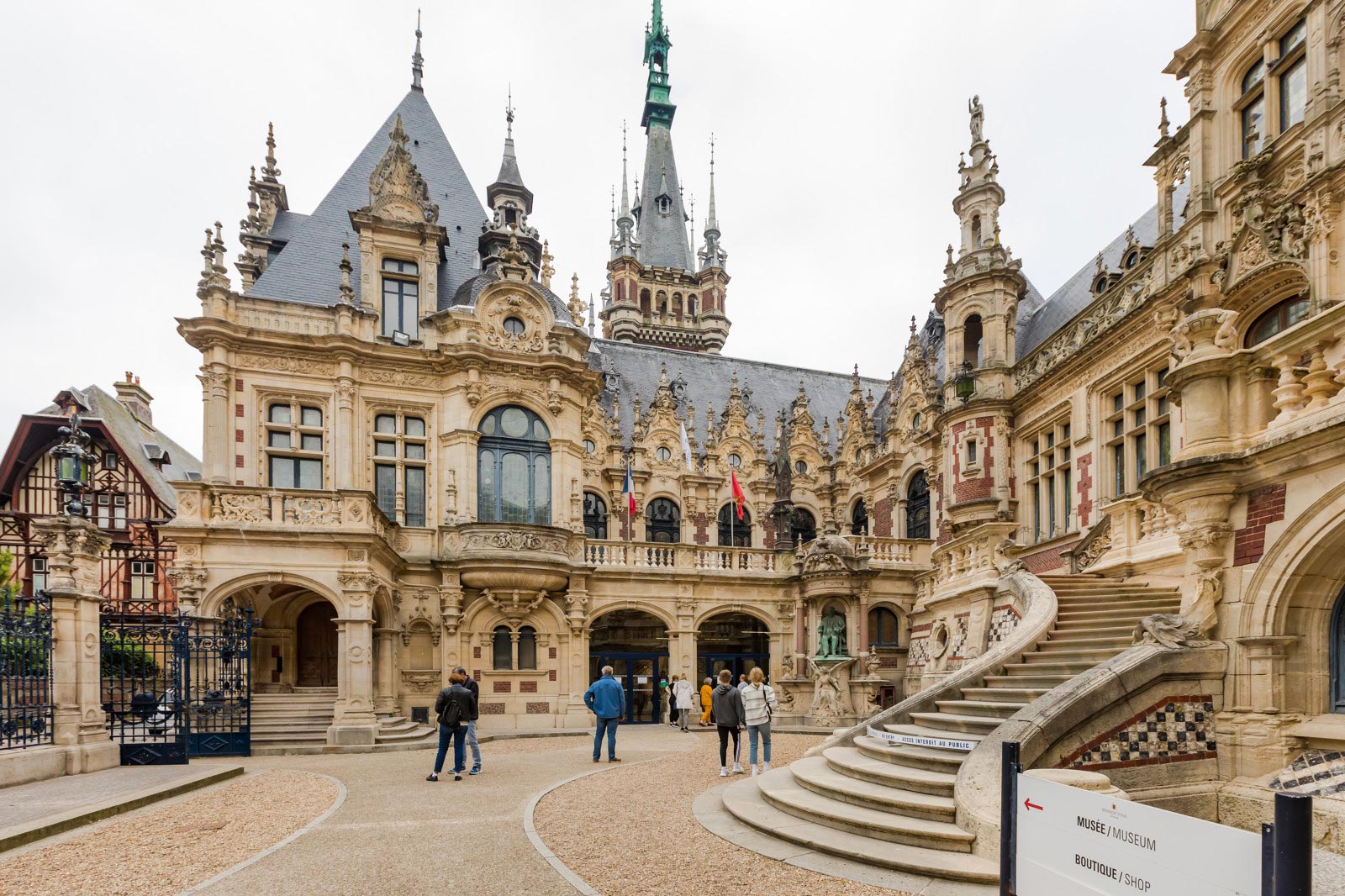
Perhaps one of Fécamp’s most unexpected treasures is the stunning Palais Bénédictine, a flamboyant neo-Gothic and Renaissance-style palace built in the 19th century. This architectural wonder was constructed to house the production of Benedictine liqueur, a mysterious herbal spirit created by monks in the 16th century.
Today, you can tour the palace to learn how the drink is made and admire its blend of art, history, and innovation. It’s a uniquely Fécamp experience – part monastery, part distillery, and all charm. 🏛️🍷
🏖️ Explore the Cliffs & Coastline

No visit to Fécamp is complete without a walk along the Cap Fagnet cliffs, the highest point on the Alabaster Coast. With panoramic views of the sea and the town below, it’s a place where nature and history intertwine. The WWII bunkers scattered along the cliffs are a haunting reminder of more recent conflicts, while the peaceful chapel of Notre-Dame-de-Salut has long watched over sailors heading out to sea.
Don’t forget to dip your toes into the pebble beach or enjoy fresh seafood at a harborside café. 🦀🌅
🌍 A Perfect Base to Explore Normandy
Whether you’re staying for a weekend or using Fécamp as a base to explore nearby attractions like Étretat, Le Havre, or even Rouen, the town offers a relaxing and enriching escape. It combines the soul of old Normandy with the wild beauty of the sea.
📌 Plan Your Visit
Getting there: Fécamp is accessible by train from Paris (via Le Havre or Rouen), or a scenic drive through the Norman countryside.
Don’t miss:
- Abbaye de la Sainte-Trinité
- Palais Bénédictine
- Cap Fagnet cliffs
- Musée des Pêcheries
- Harbor promenade and seafood restaurants
🌐 Official Tourism Information
-
Fécamp Tourist Office: Comprehensive details on accommodations, events, and cultural sites.
🔗 en.fecamptourisme.com
🏰 Historical Insights
-
The Norman Heritage: Explore Fécamp’s significance during the Duchy of Normandy era.
🔗 The Norman heritage | Office de Tourisme de Fécamp -
Fécamp Abbey: Learn about the Benedictine abbey’s origins and its role in medieval Normandy.
🔗 Fecamp Abbey – History and Facts
🖼️ Museums and Cultural Sites
-
Our Heritage & Museums: Information on local museums and heritage sites.
🔗 Our Heritage & Museums | Office de Tourisme de Fécamp
🗺️ Additional Resources
-
Normandy Tourism – Fécamp: Overview of Fécamp’s attractions within the Normandy region.
🔗 Visit Fécamp, beach, port, Bénédictine – Normandy Tourism
✨ Why Fécamp?
Because here, every stone tells a story, every breeze carries centuries of salt and legend, and every visit connects you with the soul of Normandy. 💙