In the quiet towns, rolling countryside, and windswept beaches of Normandy, a story of extraordinary courage, sacrifice, and determination unfolded in the summer of 1944. The Battle of Normandy—one of the most pivotal campaigns of World War II—not only marked the beginning of the liberation of Western Europe from Nazi occupation but also reshaped the course of modern history.
A Date That Changed Everything: June 6, 1944

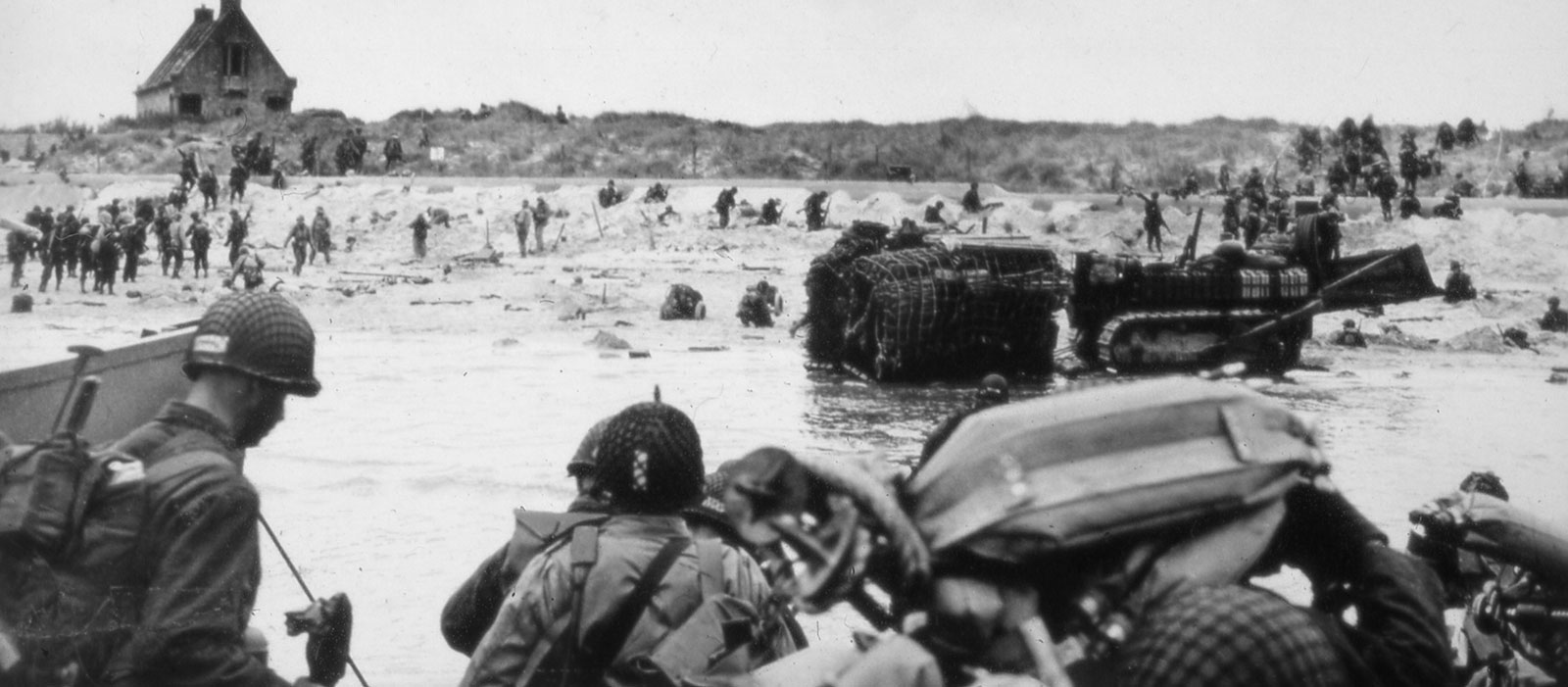
The Battle of Normandy began on June 6, 1944, a day forever known as D-Day. At dawn, the largest amphibious invasion in history commenced. Over 156,000 Allied troops—from the United States, the United Kingdom, Canada, and other Allied nations—stormed the beaches of northern France under Operation Overlord. Their goal: to break through Hitler’s formidable Atlantic Wall and begin the long march to free Europe from tyranny.
The landings took place on five beaches, each with its own codename and story of heroism:
- Utah Beach (American)
- Omaha Beach (American)
- Gold Beach (British)
- Juno Beach (Canadian)
- Sword Beach (British)
Despite fierce German resistance, treacherous weather, and immense logistical challenges, the Allied forces established a crucial foothold that would expand in the days to follow.
Beyond the Beaches: The Battle Unfolds

While D-Day is the most well-known moment, the Battle of Normandy lasted until August 21, 1944. It was a grueling 77-day campaign involving over 2 million Allied troops, tens of thousands of vehicles, and constant engagements across towns, villages, and hedgerow-covered fields.
Key battles during this period included:
- The Battle of Caen: A fierce and prolonged struggle to liberate one of Normandy’s key cities.
- Operation Cobra: A major U.S. offensive that broke the stalemate and allowed for a dramatic breakout into the French countryside.
- The Falaise Pocket: A decisive encirclement that trapped and destroyed large German forces, sealing the fate of the campaign.
By late August, Paris was liberated, and the German army in western France was in full retreat.
Human Cost and Lasting Legacy

The Battle of Normandy came at a tremendous human cost. Over 200,000 Allied casualties—including more than 73,000 killed or missing—were recorded. German losses were similarly devastating, and countless French civilians suffered in the crossfire.
Yet, from this sacrifice rose hope. The victory in Normandy was more than a military triumph; it was a powerful statement of unity, resilience, and the unyielding pursuit of freedom. It opened the path to the eventual defeat of Nazi Germany less than a year later.
Visiting Normandy Today
Normandy is not only a place of rich history but also of remembrance. Visiting the region offers a chance to walk in the footsteps of heroes and reflect on the price of liberty.
Highlights include:
- The Normandy American Cemetery in Colleville-sur-Mer, where 9,388 U.S. soldiers are buried overlooking Omaha Beach.
- The Caen Memorial Museum, offering an in-depth look at World War II and peace efforts.
- Pegasus Bridge and the Airborne Museum in Sainte-Mère-Église, showcasing the vital role of paratroopers.
- German and British cemeteries, which remind visitors of the shared grief and humanity on all sides.
Each site tells a story—a whisper from the past reminding us of the bravery and sacrifice that reshaped the world.
An Inspirational Reminder
The Battle of Normandy was not just a military operation; it was a moment where ordinary people—farmers, teachers, bakers, and students—took on extraordinary roles. From soldiers storming the beaches to French Resistance fighters working in the shadows, the spirit of Normandy continues to inspire generations.
In today’s world, filled with challenges and uncertainties, the Battle of Normandy serves as a beacon of courage and unity. It reminds us that freedom is never free—and that when people come together for a just cause, history can be changed.
📚 Authoritative Web Resources on the Battle of Normandy
-
National Army Museum – Battle of Normandy Overview
This UK-based museum provides a concise yet comprehensive overview of the Normandy campaign, including details on the D-Day landings, the challenges faced by Allied forces, and the eventual liberation of Paris. It also features personal stories, such as that of Captain Alfred Rowe, and discusses logistical innovations like the Mulberry harbours.
🔗 Explore the Battle of Normandy -
Encyclopædia Britannica – Normandy Invasion
A detailed article covering the planning, execution, and aftermath of Operation Overlord. It includes maps, photographs, and discussions on strategic decisions, providing a well-rounded understanding of the invasion’s significance.
🔗 Read about the Normandy Invasion -
D-Day Overlord – Comprehensive Resource
An extensive online encyclopedia dedicated to the Battle of Normandy, offering over 10,000 pages of content. It includes detailed accounts of military operations, veteran testimonies, maps, photographs, and guides for visiting historical sites in Normandy today.
🔗 Visit D-Day Overlord -
History Learning Site – The Battle of Normandy
Provides an accessible narrative of the battle, focusing on the challenges the Allies faced post-D-Day, including the difficult terrain and German resistance. It also discusses the strategic importance of capturing cities like Caen and the eventual encirclement of German forces at Falaise.
🔗 Learn about the Battle of Normandy