Just a few kilometers from the Normandy coast lies a hidden chapter of World War II history — the Radar Station of Douvres-la-Délivrande. Once a vital part of the German Atlantic Wall defense system, this site now stands as a testament to courage, ingenuity, and the relentless spirit of liberation. 🇫🇷✨
A Fortress of Surveillance

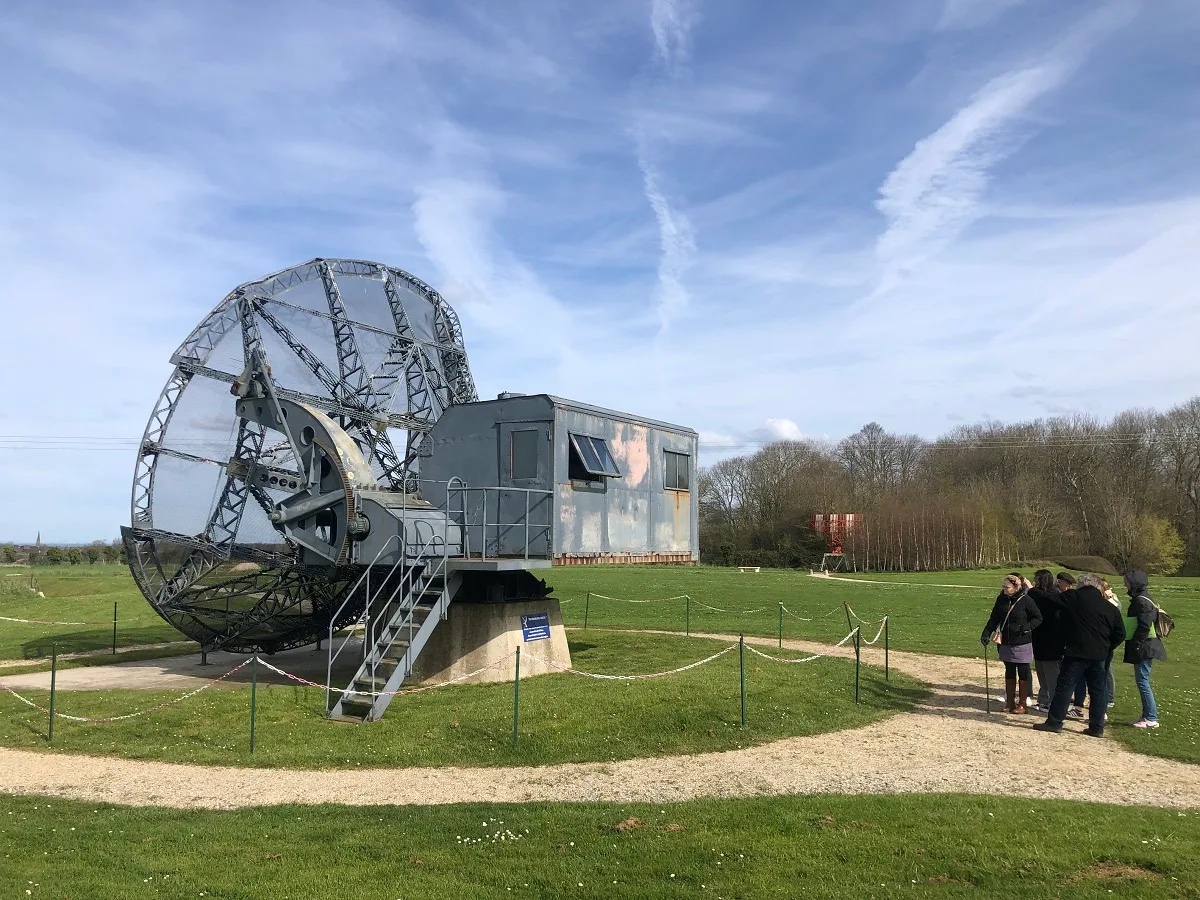
Constructed by the Germans in 1942, the radar station at Douvres-la-Délivrande was part of Hitler’s extensive coastal defense strategy. It consisted of two heavily fortified zones covering over 30 hectares. Equipped with a range of radar types — including Würzburg Riese and Freya radars — the station monitored Allied air and naval movements, feeding real-time intelligence to German command.
This site was more than just a technical outpost; it was an essential cog in the machinery of occupation, cloaked in concrete, wire, and secrecy.
A Tenacious Stronghold
On June 6, 1944 — D-Day — the Allies launched the largest amphibious invasion in history. Yet, while beaches were secured, Douvres remained an isolated German stronghold, refusing to surrender. Surrounded by British forces, the station endured fierce bombardments, aerial attacks, and psychological warfare for twelve grueling days.
It wasn’t until June 17, 1944, after sustained assaults by British commandos and the use of specialized Sherman “Crab” tanks, that the garrison finally surrendered. The fall of Douvres was a symbolic and strategic victory, dismantling the radar “eyes” of the German defense. 🎖️🔥
Today: A Journey Through Wartime Technology and Bravery

Now restored and transformed into a fascinating museum, the radar station offers visitors a deep dive into the science and strategy of wartime radar technology. You can explore underground bunkers, authentic radar equipment, and engaging exhibitions that bring to life the daily experience of soldiers — both defenders and liberators.
Multimedia displays, period artifacts, and immersive reconstructions help you relive the tension and resilience that defined this site. Whether you’re a history buff, a technology enthusiast, or simply curious, a visit here is a compelling reminder of Normandy’s layered past. 🕰️💡
Why Visit?
- Experience an off-the-beaten-path D-Day site
- Understand the role of radar in WWII
- Explore well-preserved bunkers and communication rooms
- Gain insight into Allied and Axis strategy
- Only 15 km from Caen and close to Juno Beach
Plan Your Visit
📍 Location: Musée Radar 1944, Douvres-la-Délivrande, Normandy
🕘 Opening Hours: Typically April–October, check local listings
🎟️ Admission: Affordable rates; guided tours available
🌐 Official website for more info
🔗 Official Website of the Radar Museum
-
Musée Radar 1944: The official site offers comprehensive information on the museum’s history, exhibits, visitor details, and contact information. musee-radar.fr
🗺️ Additional Resources
-
Chemins de Mémoire: Provides historical context and practical information about the Radar Museum. Chemins de Mémoire
-
Normandy Tourism: Features details on visiting Station Radar 44, including its significance and visitor information. Normandy Tourism
-
Calvados Tourisme: Offers insights into the Radar Museum and its role in the region’s history. calvados-tourisme
-
Wikipedia – Battle of Douvres Radar Station: An in-depth article detailing the battle and the radar station’s role during WWII. Wikipedia
-
Wikipedia – Station Radar de Douvres-la-Délivrande: Provides detailed information on the radar station’s construction, usage, and post-war history. Wikipedia